

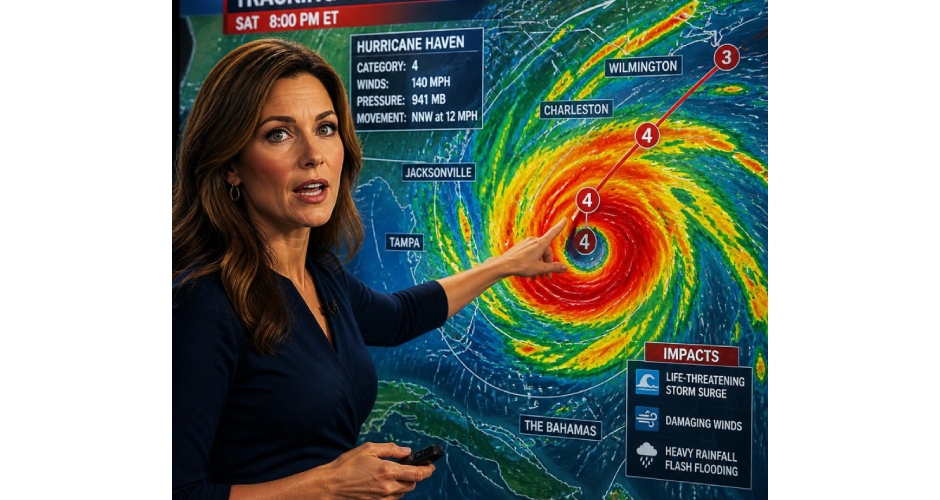
August and September mark the statistical peak for major storm activity. While tracking meteorological charts is a common late-summer habit, reviewing a homeowners policy configuration matters just as much as monitoring weather patterns.
Waiting until a tropical system develops to look over insurance paperwork leaves a property exposed. Insurance companies operate under strict rules regarding active weather events, meaning coverage must be finalized before the clouds roll in.
Understanding Binding Restrictions: The Closing Door
A critical concept in property protection is the “binding restriction.” When a tropical storm or hurricane enters a designated geographic zone or receives an official name from weather authorities, insurance carriers temporarily freeze policy changes.
- No New Policies: Homeowners cannot purchase a fresh policy to protect a house or commercial building once a restriction goes into effect.
- No Coverage Increases: Property owners cannot raise their dwelling limits or add extra protections to an existing policy during a freeze.
- No Deductible Lowering: Adjusting out-of-pocket costs to a lower amount is blocked until the storm passes and the carrier lifts the restriction.
Attempting to secure insurance while a storm tracks toward the coastline is impossible. Coverage must be active and set well in advance.
Dollar Deductibles vs. Percentage Deductibles
Many policyholders glance at their insurance paperwork and notice a standard flat dollar deductible. However, coastal areas and storm-prone regions frequently utilize distinct deductibles specifically for windstorms, hail, or named hurricanes.
Instead of a fixed dollar amount, these specialized triggers operate on a percentage system based on the total insured value of the home:
- Standard Deductible: A fixed dollar amount chosen when the policy is written, applied to standard claims like a kitchen fire or pipe burst.
- Percentage Deductible: Calculated as a specific percentage (such as 1%, 2%, or 5%) of the total dwelling coverage limit.
For example, if a home has a high dwelling coverage limit, a two percent or five percent hurricane deductible means the property owner introduces significantly more financial responsibility out of pocket during a major storm claim. Reviewing the policy declarations page right now reveals exactly which tier applies to the property.
Key Details to Verify This Week
Taking twenty minutes to evaluate a policy configuration before a storm forms prevents major surprises during the claims process. Check these three specific elements:
- Flood Coverage Gaps: Standard homeowners insurance policies never cover rising groundwater or storm surge. Flood protection requires a separate, dedicated policy, which carries a strict thirty-day waiting period before taking effect.
- Loss of Use Limits: If a severe storm renders a home uninhabitable, “Loss of Use” coverage pays for temporary rental housing and relocation adjustments. Verify that this limit scales with regional living costs.
- Current Replacement Costs: Construction material prices fluctuate constantly. Confirm that the dwelling coverage matches current local building costs rather than the historical purchase price of the home.
The Bottom Line: Managing storm risk requires preparation during clear skies. Reviewing deductibles, confirming policy limits, and addressing coverage gaps before weather warnings arrive keeps a household financially secure. An independent agent can audit an existing policy across multiple carriers to find vulnerabilities before binding restrictions lock down options for the season.